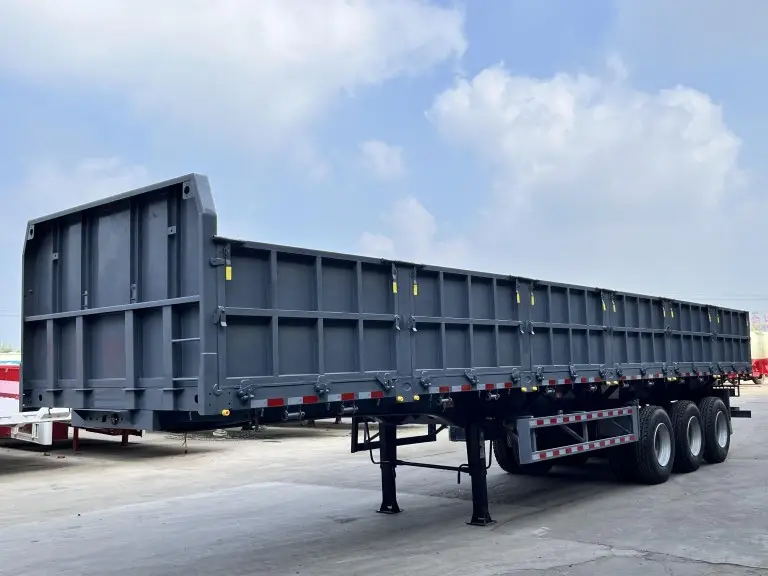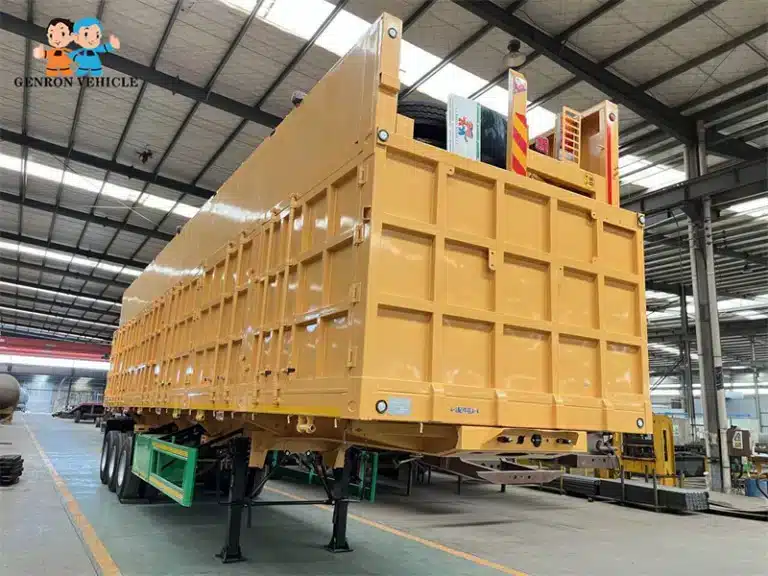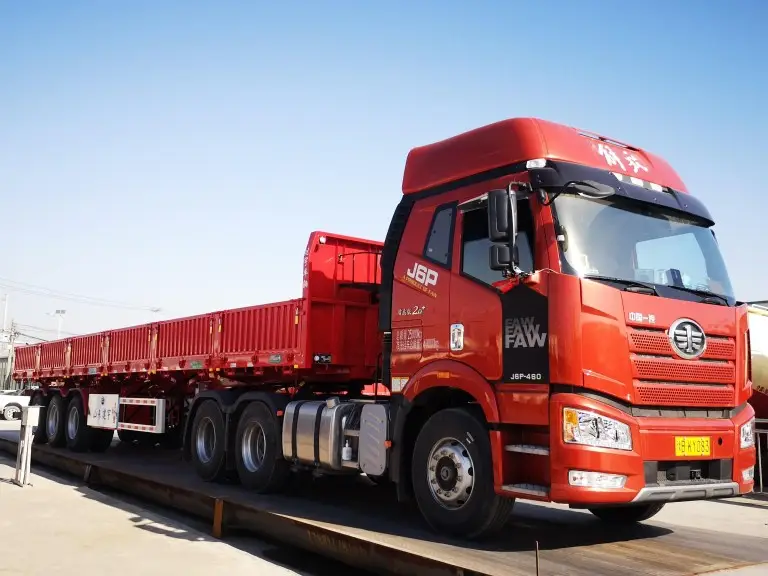
Side tipper trailers are efficient tools specifically designed for bulk material transportation. They utilize a hydraulically driven side-tipping mechanism to enable quick and safe lateral unloading in confined areas. Depending on operational needs, these trailers vary in structure, axle count, shape, and purpose, encompassing types from standard single-side tippers to interconnected systems and specialized variants. Whether for daily material transport at construction sites or heavy-duty tasks in mining, side tipper trailers offer tailored solutions. Next, we will delve into the specific features of these types and their performance in practical applications to help you better select the appropriate equipment.
Understanding Side Tipper Trailers
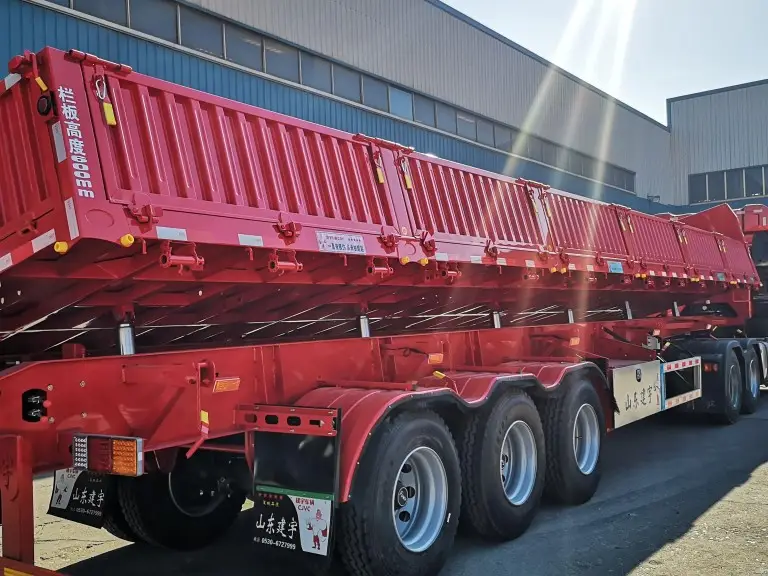
Side tipper trailers are efficient transportation tools designed specifically for rapid unloading of bulk materials. Their core feature lies in the side-tipping of the trailer body, achieved through a hinge connection on one side to the chassis. The overall structure is built on durability, primarily consisting of hydraulic devices, tipping cylinders, and reinforced frames, capable of withstanding heavy loads and adapting to various complex operational environments.
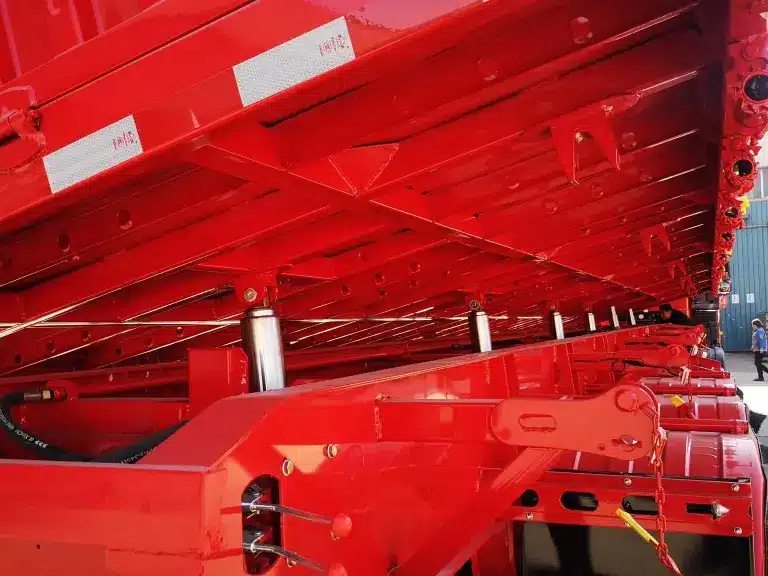
The tipping mechanism operates via an advanced hydraulic control system. When activated by the operator, pressure builds up in the cylinders, gradually lifting one side of the trailer body. As the tilt angle increases, gravity directs the materials to flow toward the lower side, completing an efficient and smooth unloading process. The entire operation is precisely regulated by the hydraulic system, supporting pauses or adjustments in unloading positions to meet different scenario requirements.
Additionally, side tipper trailers are equipped with built-in safety devices to effectively prevent instability caused by excessive tilting, ensuring operational safety. Typically, the tipping time is controlled within 2 minutes, while some high-performance models can complete unloading in just 10-30 seconds, significantly enhancing work efficiency.
Further Reading:What is a side tipper trailer?
Side Tipper Trailer Types
To meet diverse transportation needs, side tipper trailers offer multiple configurations that can flexibly adapt to various operational scenarios. Below is a detailed introduction to the main types and their practical application features:
Standard Side Tipper Trailers
Standard side tipper trailers are general-purpose equipment designed for efficient material transport, widely used in construction sites, mining operations, and other bulk material handling scenarios. Their core feature is a robust and durable hydraulic tipping mechanism that enables quick and safe unloading.
- Applicable Scenarios: Small to medium-scale operations, such as transporting construction materials, sand, gravel, or earthwork.
- Performance Features: High-capacity load design combined with advanced hydraulic systems, ensuring stability and reliability under heavy loads.
- Advantages: Simple operation and low maintenance costs, suitable for daily tasks requiring frequent transport.
Interlink Side Tipper Systems
Interlink side tipper systems exemplify efficiency in bulk material transport, specifically designed for heavy-duty tasks. This system connects two trailer units via a dedicated coupling mechanism and is towed by a single truck, significantly increasing single-trip capacity.
- Load Capacity: Up to 140 tons per trip, ideal for mining extraction, large-scale infrastructure construction, and other heavy operations.
- Hydraulic System: Each trailer unit is equipped with independent hydraulic tipping mechanisms, supporting sequential or simultaneous unloading for operational flexibility.
- Economic Benefits: Synchronized hydraulic control technology optimizes load distribution and operational balance, reducing per-ton transport costs by 30-40% compared to single trailers.
- Typical Applications: Long-distance transport of bulk materials like ore or coal.
Through the above two main types, side tipper trailers can meet diverse needs from routine transport to heavy-duty operations, providing users with efficient and reliable solutions.
Side Tipper Trailer Capacities and Specifications
Understanding the capacities and specifications of side tipper trailers is key to achieving efficient bulk material transport. These trailers offer various configurations based on industry demands, with load capacities typically ranging from 30 to 140 tons, depending on axle configuration and material density. Below are the capacity and specification features of the main types:
3-Axle Side Tipper Models
3-axle side tipper trailers are renowned for their versatility and efficiency, typically capable of carrying 30-60 tons of materials. Their robust structure and hydraulic tipping mechanism ensure stability during transport while enabling rapid unloading, making them suitable for medium-scale projects like urban construction and earthwork. This configuration provides reliable performance and operational flexibility, serving as an ideal choice for medium-intensity tasks.
4-Axle Side Tipper Models
4-axle side tipper trailers are designed for heavy-duty tasks, with load capacities reaching 60-80 tons. The enhanced axle setup significantly improves stability, particularly on rugged terrain or slippery surfaces, while reducing wear and enhancing safety. These trailers are highly suitable for large-scale construction, ore transport, and other scenarios requiring high-capacity hauling, delivering exceptional durability and efficiency in heavy applications.
Interlink Side Tipper Systems
Interlink side tipper systems are efficient solutions for bulk material transport, with single-trip total load capacities up to 140 tons. Their independent hydraulic tipping mechanisms support sequential or simultaneous unloading, and the dedicated coupling system connects the front and rear trailer units to ensure transport stability. Configurations with 3 or 4 axles are available based on needs, with synchronized hydraulic controls optimizing load distribution and operational balance. Compared to single trailers, Interlink systems reduce per-ton transport costs by 30-40%, making them particularly suitable for high-volume demands in mining extraction and large infrastructure projects.
Through the above configurations, side tipper trailers can meet diverse needs from medium-scale to ultra-large capacity transport, providing users with efficient and safe hauling solutions.
Key Advantages of Side Tipper Trailers
Side tipper trailers, with their unique design, demonstrate significant advantages in diverse needs such as construction and mining, especially excelling in challenging environments and confined spaces where traditional dump trucks struggle. Below are their main advantages and application scenarios:
- Improved Unloading Efficiency: Side tipper trailers significantly enhance unloading efficiency through lateral discharge, particularly suitable for linear construction projects like road building and embankment construction. This design allows precise control over material placement, reducing unnecessary waste while shortening unloading cycles, minimizing wait times, and greatly boosting on-site productivity.
- Enhanced Stability During Operation: Side tipper trailers emphasize stability during operation. By unloading laterally, they maintain a lower center of gravity compared to traditional rear-dump trucks, resulting in higher overall stability and safety. The even force distribution effectively reduces structural stress, making them outstanding in mining operations and construction sites under heavy loads.
- Superior Flexibility in Confined Spaces: Side tipper trailers exhibit exceptional flexibility in narrow operational environments, capable of efficient work alongside ditches, under overhead obstacles, or in tight corridors. This capability makes them an ideal choice for urban construction sites and mining operations, especially in urban regeneration projects where they enable precise material placement without additional equipment, further improving construction efficiency.
Through the above advantages, side tipper trailers not only enhance safety and efficiency but also provide reliable solutions for complex work environments, becoming indispensable transport tools in construction and mining fields.
Side Tipper Trailers vs. Traditional Dump Trucks
In the heavy-duty transport sector, side tipper trailers and traditional dump trucks each have unique characteristics suited to different operational needs. Below is a comparison from three aspects: unloading mechanisms, efficiency and performance, and durability and maintenance, to help users better select the appropriate equipment.
Unloading Mechanism Differences
Side tipper trailers achieve unloading by tilting the trailer body to one side, while traditional dump trucks lift the front of the bed for rear discharge. This fundamental difference determines their suitability in various environments. Side tipper trailers perform better in confined spaces or scenarios requiring precise unloading, such as urban construction sites or linear projects, whereas traditional dump trucks are more suited to open areas for large-volume bulk material transport.
Efficiency and Performance Comparison
Side tipper trailers offer higher efficiency in certain applications due to their quick and precise unloading capabilities. Their design allows better control over the discharge process, reducing spillage risks and improving operational accuracy and overall performance. In contrast, traditional dump trucks excel in bulk material hauling but may lack the same level of precision in scenarios requiring exact material placement.
Durability and Maintenance Advantages
Side tipper trailers have notable advantages in durability. Their side-tipping mechanism distributes forces more evenly across the chassis, reducing structural stress and extending equipment lifespan, typically 30-40% longer than traditional dump trucks. Additionally, the hydraulic systems in side tipper trailers require maintenance every 1000-1500 hours, compared to 600-800 hours for traditional dump trucks. This not only lowers maintenance frequency and costs but also increases equipment availability, further enhancing economic viability.
Further Reading:What is the difference between side tipper and end tipper?
Major Industries Using Side Tipper Trailers
Side tipper trailers are widely used across multiple industries due to their efficient material transport capabilities and versatility, meeting the needs of various sectors. Below are the main application areas and typical cases:
- Construction Industry In construction, side tipper trailers are extensively used for transporting sand, gravel, and construction debris. Their lateral unloading function enables precise material placement, making them particularly suitable for space-limited sites.
- Mining Operations The mining industry heavily relies on the robust design and high-capacity transport of side tipper trailers for efficient hauling of ores, coal, and other bulk materials. Their quick unloading and durability significantly improve mine operational efficiency.
- Agriculture and Waste Management In agriculture, side tipper trailers are used for transporting grains, fertilizers, and other bulk materials. Their precise lateral unloading reduces material waste while lowering labor costs. In waste management, these trailers handle construction debris, industrial waste, and recyclables, optimizing material placement in landfills. Their versatility allows adaptation to multiple waste streams and agricultural product handling needs, making them an ideal choice for agriculture and waste management.
Through their broad applications in construction, mining, agriculture, and waste management, side tipper trailers demonstrate their efficiency, safety, and multi-purpose features, providing reliable transport solutions for various industries.
Factors to Consider When Choosing a Side Tipper Trailer
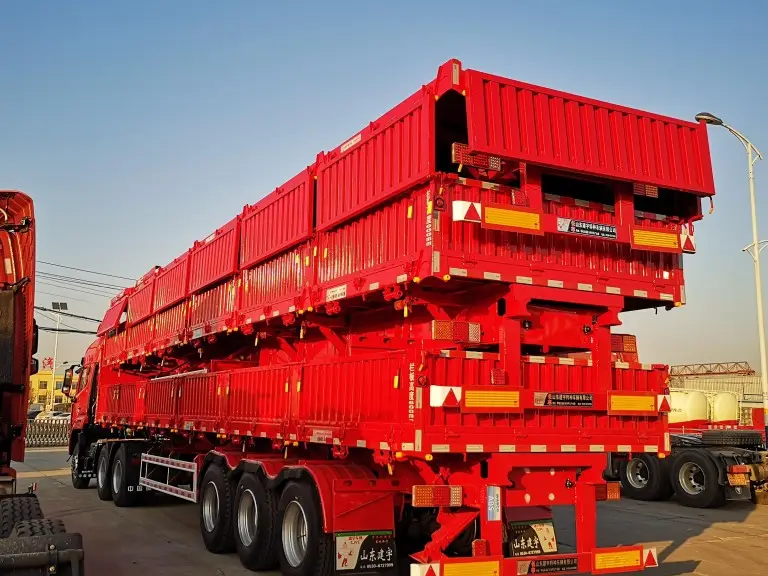
When selecting a side tipper trailer, evaluating key factors is crucial to ensuring optimal performance and efficiency. Below are the main considerations affecting the trailer’s functionality and productivity:
Load Capacity Requirements
Load capacity is the primary factor in choosing a side tipper trailer. The weight and volume of the materials to be transported directly determine the trailer’s specifications. Selecting a trailer that can safely handle the expected load is essential, based on material density and transport needs. Typically, side tipper trailers have capacities ranging from 30-100 tons, adjustable by axle count, ensuring efficient and safe operations while meeting requirements.
Terrain and Working Conditions
Terrain and working conditions significantly impact the trailer’s performance and durability. Trailers operating in rugged terrain or harsh environments may require additional reinforcements or specialized components to handle complex conditions. For example, in rainy or humid areas, choosing trailers with anti-corrosion coatings can effectively extend equipment lifespan by 10-20%, while improving reliability in adverse environments.
Material Type Considerations
The characteristics of the transported materials are important factors in determining trailer design. Different materials have unique properties, such as abrasiveness, adhesiveness, and corrosiveness, which influence the selection. For instance, abrasive materials (like sand or gravel) require wear-resistant bodies, while corrosive materials need special coatings or stainless steel components to prevent degradation and extend service life.
Conclusion
Side tipper trailers, with their unique operational advantages and diverse configurations, can meet the specific transport needs of various industries. Whether it’s standard side tippers for general construction or high-capacity Interlink systems for mining, these trailers provide efficient and safe solutions.
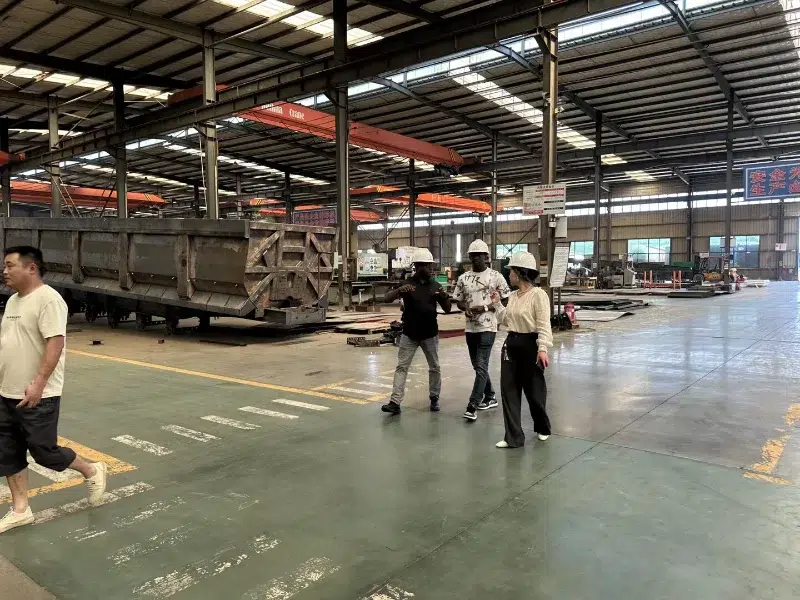
We offer a comprehensive range of side tipper trailer configurations, including standard models, 3-axle and 4-axle variants, as well as Interlink systems with load capacities up to 140 tons, accommodating needs from small to medium projects to ultra-large operations. Additionally, our manufacturing capabilities cover a full series of semi-trailers and support on-demand customization, ensuring the most ideal material transport solutions for clients.
By choosing side tipper trailers, you will gain reliable performance, superior efficiency, and flexible customization options, providing strong support for your transport tasks.
FAQ
Load capacity varies based on axle configuration and suspension system, but most side tipper trailers can handle 25-40 tons. Interlink models can reach up to 140 tons.
The hydraulic system uses a pump to pressurize fluid, which then drives cylinders to lift the trailer bed, enabling side tipping and efficient unloading. The process involves pressure buildup and controlled release.
Side tipper trailers offer increased unloading efficiency, enhanced stability, and superior flexibility in confined spaces, making them suitable for industries like construction and mining.
Key factors include load capacity requirements, terrain and working conditions, as well as material type considerations, to ensure the trailer meets specific needs and operates safely.
Regular maintenance is crucial; the hydraulic system should be inspected and serviced periodically to prevent wear, ensuring optimal performance and longevity. Typically every 1000-1500 hours or quarterly.
Yes, manufacturers like Genron provide customized side tipper solutions tailored to specific business needs, including varying axle configurations and suspension systems.
Side tipper trailers are widely used in construction, mining, agriculture, and waste management, where efficient material transportation and unloading are critical.