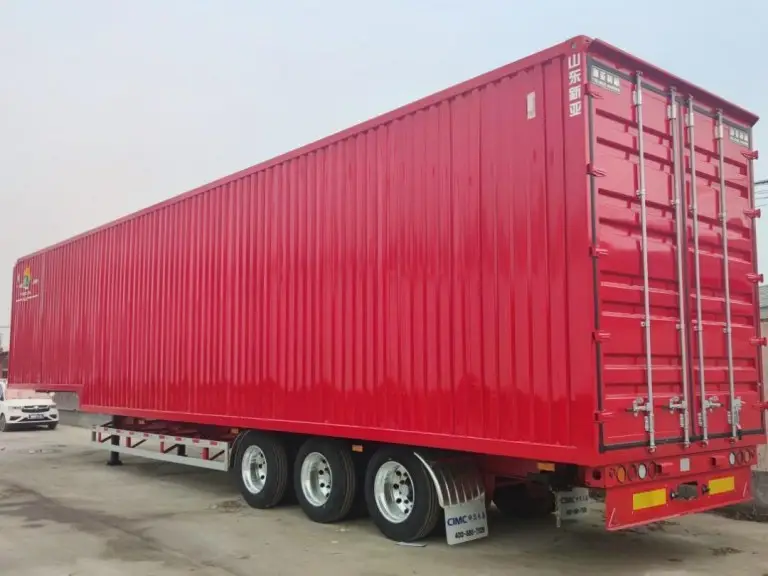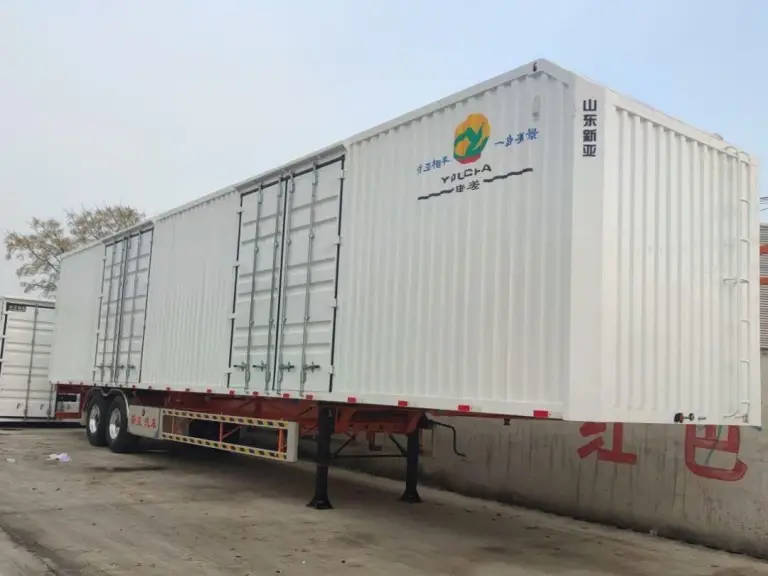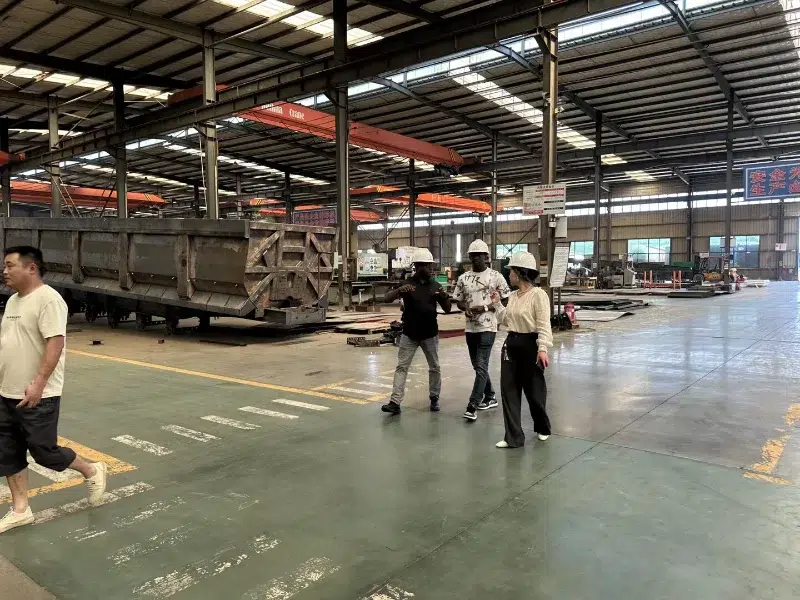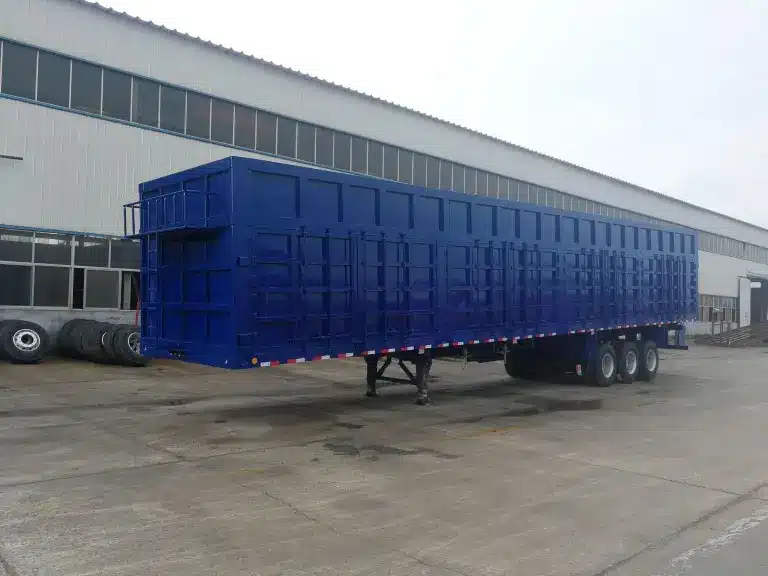
Maintaining a box trailer is crucial for ensuring safe fleet operations, enhancing efficiency, and extending service life. By combining daily inspections, regular lubrication, and comprehensive checks, you can effectively prevent breakdowns, reduce repair costs, and ensure compliance. Drawing on Genron’s manufacturing expertise, this article offers practical advice from basic to advanced levels, including detailed checklists, benefits assessments, and optimization strategies to help you maximize the value of your equipment.
Understanding Box Semi Trailer Maintenance
Proper maintenance is essential for extending the lifespan of a box trailer and ensuring optimal road performance. Our manufacturing expertise provides insights into best maintenance practices, helping customers avoid potential issues. By focusing on daily inspections, periodic checks, and timely repairs, we assist clients in minimizing fleet downtime, improving overall efficiency, and enhancing road safety.
A general guideline is to conduct a comprehensive service every 3 to 6 months, depending on usage intensity, road conditions, and cargo types. Such regular servicing is critical for avoiding costly downtime, ensuring regulatory compliance, and extending equipment life. GENRON recommends at least one thorough annual inspection for every commercial vehicle to meet safety standards. The importance of regular maintenance cannot be overstated—it directly impacts operational efficiency, road safety, and overall equipment longevity. By identifying and addressing potential issues early, you can save time and money while maintaining a reliable fleet.
In addition to regular servicing, daily or frequent visual inspections are equally critical. These checks focus on quick assessments of tire pressure, potential fluid leaks, and any visible damage, helping to identify risks before they escalate. More in-depth inspections should emphasize the condition of brake system components, wheel bearings, and electrical wiring to ensure these core elements remain in good condition. Daily inspections significantly reduce the risk of unexpected breakdowns. By adopting these habits, fleet operators can maintain smooth daily operations while laying the foundation for more comprehensive maintenance.
Why Regular Maintenance Matters for Your Fleet?
Consistent maintenance is vital for fleet operators of all sizes. It not only ensures that box trailers remain in good condition but also enhances reliability, improves safety records, and increases resale value. Moreover, detailed maintenance records are essential for regulatory compliance, warranty claims, and future service planning. Industry data shows that regular maintenance can reduce repair costs by 20-30% and extend equipment life by 5-10 years.
A client in Zambia using Genron box trailers reported avoiding a major accident due to regular inspections. This not only saved repair costs but also boosted driver confidence and enhanced the company’s reputation.
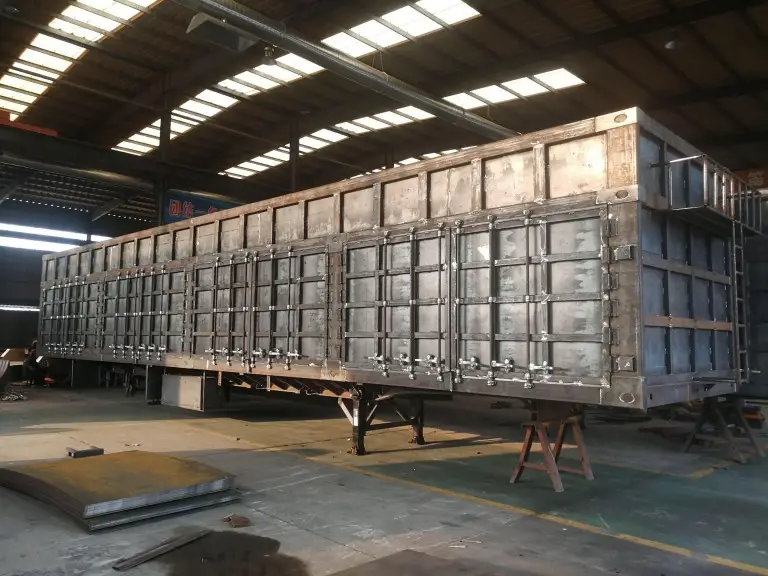
Genron’s Approach to Semi-Trailer Care
At Genron, our comprehensive approach to trailer maintenance covers both preventive maintenance and repair needs. We focus on identifying issues before they become major failures, saving clients time and money. Our maintenance philosophy aims to keep trailers in optimal condition, ensuring they are safe and reliable on the road.
- Regular Inspections: Identify potential issues early, such as checking structural integrity to prevent fatigue cracks.
- Customized Maintenance Schedules: Adjust based on usage and road conditions, such as increasing inspection frequency in harsh weather regions.
- Comprehensive Repair Services: Provide solutions for issues identified during inspections, such as replacing worn components.
- Detailed Maintenance Records: Used for compliance and planning, ensuring all activities are traceable.
Through these practices, we help clients optimize fleet performance. Our technicians are professionally trained to handle complex issues, ensuring every service meets industry standards.
Key Areas of Box Trailer Maintenance
Maintaining a box trailer involves several critical areas essential for safety, efficiency, and longevity. Regular maintenance helps prevent failures and ensures compliance with safety regulations. Below are the key areas:
Brake System and Safety Components: The brake system, including brake pads, drums, and air brake chambers, is critical for safety. Daily inspections should include visual assessments of brake lines, pushrod positions, and slack adjuster angles to quickly identify anomalies. Regular checks require more thorough inspections of component wear, recommended every 10,000 to 15,000 miles, to prevent accidents. Neglecting this area can lead to brake failure, increasing risks; therefore, we recommend using professional tools to measure pad thickness, ensuring at least 1/4 inch remains.
Suspension and Structural Integrity: The suspension system, including leaf springs, shock absorbers, and air bags, provides stability and support. Daily checks should note any visible damage or looseness, while regular maintenance involves assessing wear on air bags, shock absorbers, springs, and bushings. Structural issues like cracks may stem from heavy loads, but early detection can avoid costly repairs. Our experience shows that annual structural inspections can reduce failure rates by 15%. Additionally, inspect the trailer frame for cracks, and check the floor for signs of moisture, rot, or corrosion to ensure overall integrity.
Electrical System and Lighting: Properly functioning lights and electrical systems are critical for safety and compliance. Daily inspections should verify that brake lights, taillights, and signal lights operate correctly, and check for signs of air or electrical leaks. Regular servicing should include a full test to rule out wiring issues or damaged connectors. Addressing these promptly avoids fines and accidents, ensuring compliance with DOT standards.
Tires, Wheels, and Alignment: Misaligned tires lead to uneven wear and reduced fuel efficiency. Daily checks include assessing proper tire pressure, signs of wear or damage, and ensuring wheel bolts are secure, while also confirming the spare tire is properly fixed. Regular maintenance involves checking wheels and axles for wear, damage, or loose bolts, and re-lubricating bearings. Tire tread depth should be at least 2/32 inches to ensure traction. By focusing on these areas, you can ensure the reliability, safety, and efficiency of your box trailer.
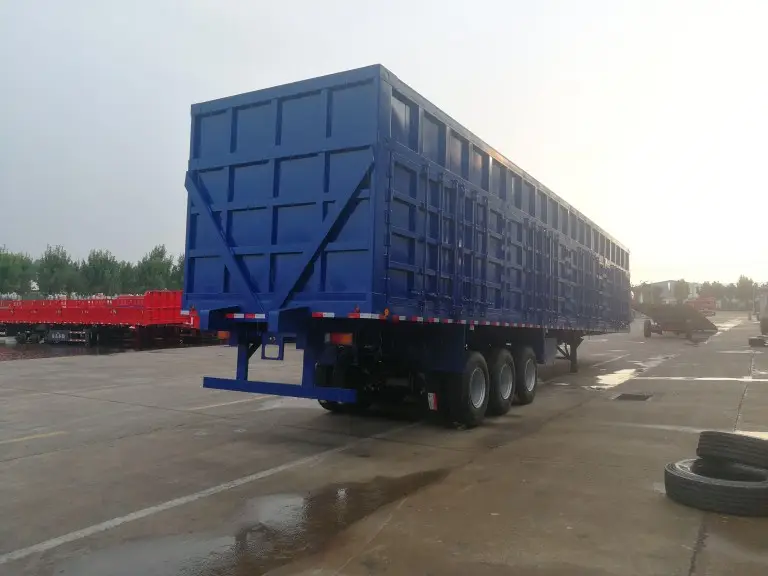
Other Important Maintenance Practices
Beyond core inspections, box trailer maintenance should include supplementary measures to further enhance durability. Regular cleaning removes dirt and debris that may obscure potential issues, aiding early detection. Choosing the right lubricants for all components is critical, as improper types can cause performance issues or accelerate wear. Following maintenance guidelines, using the correct lubricant can extend component life. Additionally, avoiding overloading or improper loading is key to reducing stress on the frame and suspension, preventing structural damage. Combining these practices provides comprehensive protection for your equipment investment.
Recommended Maintenance Schedule
At Genron, we recommend a structured maintenance schedule to maximize box trailer performance and lifespan. A well-planned maintenance routine is critical for preventing costly repairs and ensuring road safety. Below are industry-standard recommendations combined with our manufacturing insights, covering daily, quarterly, and semi-annual levels.
Daily or Frequent Inspections: These quick assessments should be conducted before each trip or daily to catch immediate issues. Professional guidelines suggest this habit significantly reduces roadside breakdowns.
- Comprehensive Visual Inspection: Scan the entire trailer for signs of damage, leaks, or loose components.
- Tire Assessment: Confirm inflation levels, tire pressure consistency, and check for wear or damage.
- Lighting Verification: Test brake lights, taillights, and turn signals for proper operation.
- Brake Quick Check: Observe the condition of lines, pushrods, and slack adjusters.
- Line Inspection: Check for risks of air or electrical leaks.
- Kingpin Measurement: Verify the distance between the pin and axle center meets standards.
| Maintenance Type | Interval | Key Inspection Items | Benefits |
|---|---|---|---|
| Quarterly Inspection | Every 3 months or 25,000 miles | Visual checks of tires, brakes, suspension, and lights; lubricate moving parts like landing gear and hinges; air system checks and adjustments; hub fastener torque checks; fluid level checks where applicable | Early issue identification, reduced downtime, improved efficiency. |
| Semi-Annual Full Service | Every 6 months or 50,000 miles | Brake pad measurement and adjustment; full electrical system testing; suspension and axle alignment checks; frame and structural integrity checks; seals, doors, and floor inspections | Extended lifespan, regulatory compliance, 20-30% cost savings. |
Conclusion
Our expertise in box trailer manufacturing translates into comprehensive maintenance solutions, ensuring your trailers remain reliable and efficient. Genron emphasizes the importance of regular maintenance for optimal performance and road safety. By choosing us, you benefit from expert technicians, comprehensive checklists, and a commitment to quality and reliability. Contact us today to learn more about semi trailer box trucks and let us help elevate your fleet’s performance and extend equipment life.
FAQ
We recommend inspecting the brake system every 10,000 to 15,000 miles, or as per GENRON’s specifications, to ensure safety and prevent costly repairs. Regular checks reduce the risk of accidents.
Regular tire alignment improves fuel efficiency, extends tire life, and enhances overall vehicle safety and performance. We recommend checking alignment during semi-annual full services. Uneven wear is a common sign, and addressing it early can save 5-10% in fuel costs.
While drivers can perform basic checks like tire pressure and lighting, we recommend professional technicians for complex systems like brakes and suspension to ensure reliability and safety. DIY checks can supplement but professional services provide in-depth diagnostics.
We test electrical systems, including lights and connections, during quarterly inspections to identify issues before they become major failures. Common signs include flickering lights or connection faults; early repairs ensure compliance.
With regular servicing and inspections, trailers can last for many years. Factors like usage, conditions, and component quality affect lifespan, but proper care can maximize operational life, typically reaching 10-15 years.
Yes, our expert technicians are equipped to handle repairs and provide guidance on replacement parts, ensuring your fleet is back on the road quickly and efficiently. We use high-quality components for compatibility and durability.