Understanding tractor trailer sizes is crucial for shaping route choices, loading plans, and daily driving safety on U.S. roads. We approach these dimensions as essential planning details, not just trivia. Even a single wrong assumption can cause a low-clearance strike, an unreachable dock, or an avoidable fine.
Different roles rely on these numbers for their work. Fleet managers turn to dimensions to assign equipment, while dispatchers use them for route selection. New drivers, for their part, need them to grasp why combination vehicles behave differently when turning or stopping. Additionally, everyday car drivers often look up these figures to understand stopping distance risks and the amount of lane space these trucks require.
Although an “18-wheeler” is a combination vehicle, every primary dimension depends on which tractor and trailer are paired for a given trip. In the guide below, we first clarify the standard ranges you’re most likely to encounter. Next, we highlight how various configurations affect those ranges.
Importantly, our discussion remains practical—focusing on the most common situations in the U.S. We also note that state roads, local access regulations, and special permits can all affect what is legal or workable in practice.
What Counts as an 18-Wheeler?
For the scope of this guide, we define an 18-wheeler as one tractor unit coupled to one semi-trailer (semi truck trailer), measured as a single, complete vehicle.Confusion often arises when people quote only a trailer length, mistaking it for the total vehicle length, which is why we separate the tractor and trailer in our explanations.
Measuring the Combination
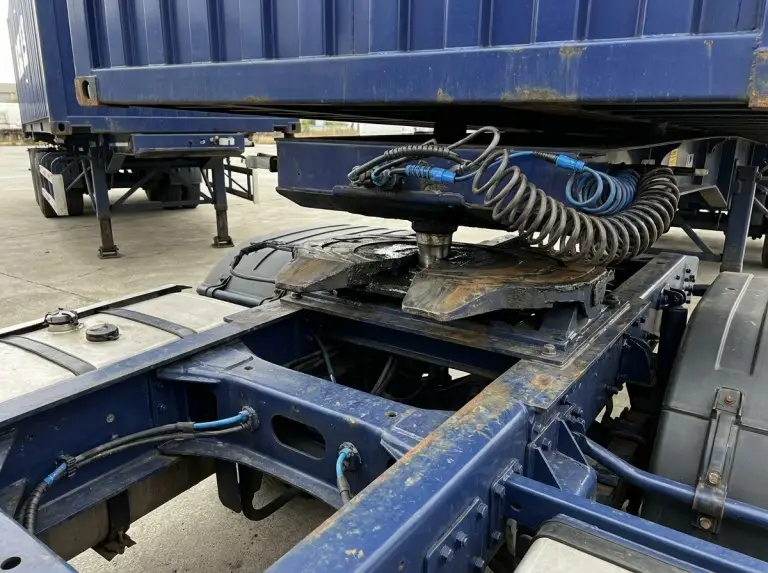
Three main parts make up the total length: the tractor, the trailer, and the overlap from the fifth-wheel connection. Since two rigs using the same trailer can have different whole-vehicle lengths—depending on cab style, sleeper size, and wheelbase—our method focuses on actual combinations, not just individual pieces.
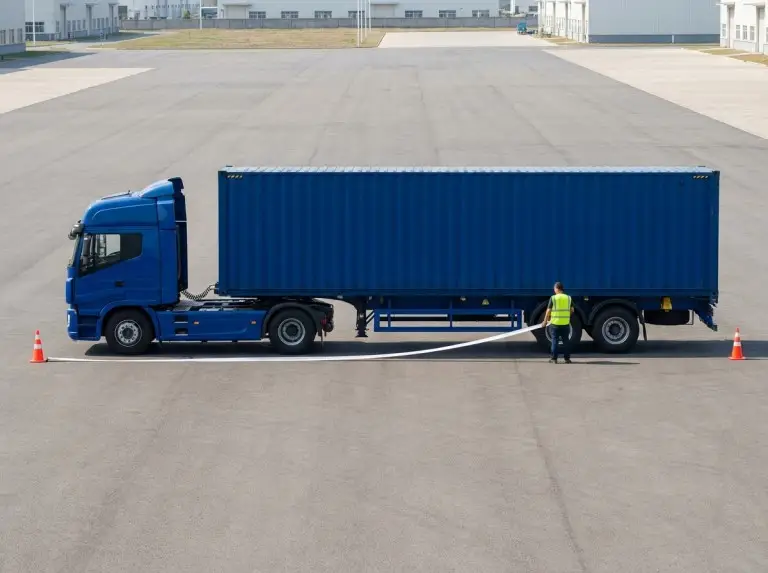
Usually, overall length is measured from the tractor’s front bumper to the trailer’s rearmost point. That said, measurement methods can differ. Some may measure just the trailer body, while others use axle reference points to describe tractor length. Always ensure you confirm the measurement method with shippers and sites to avoid surprises.
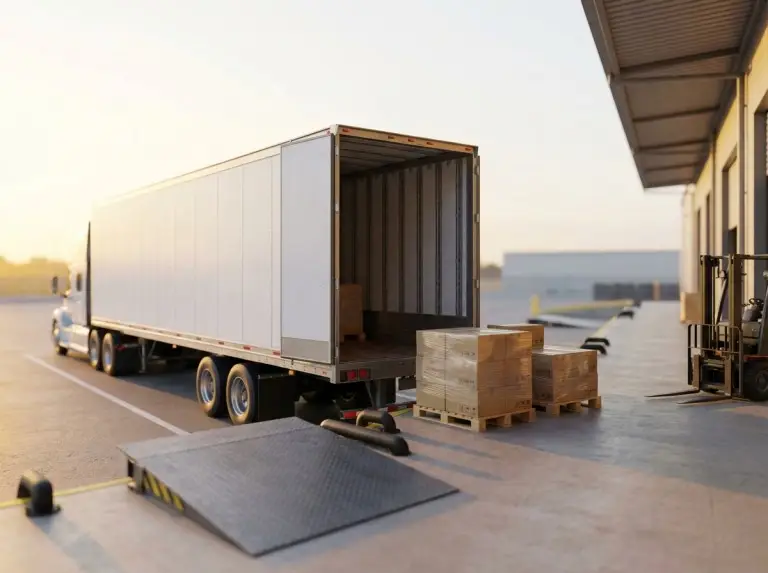
In addition, it’s important to separate outside dimensions from inside cargo space. For example, while a trailer may measure 53 feet on the outside, interior space might be less due to wall thickness, door structure, or equipment at the front.
Planning for Accurate Dimensions
To avoid planning errors, we follow a consistent approach before treating a dimension as suitable for routing:
- Outside length: Measure from the front of the tractor to the rear of the trailer, in the actual coupled state.
- Outside width: Identify the widest point, including mirrors that may strike obstacles.
- Outside height: Gauge from ground level to the highest part of the loaded rig, considering rooftop devices.
- Weight: Account for both unladen and laden (loaded) conditions, as well as ratings and route-specific legal limits.
Several initial details guide our equipment decisions:
- The type and size of the tractor cab and sleeper.
- The trailer’s design and nominal length.
- An estimate of the loaded overall height.
- The expected gross weight.
Often, sleeper sizes—typically described in inches, such as 56-inch or 73-inch—change the tractor’s overall length. Maintaining consistency in these inputs helps to clarify why numbers sometimes differ from one plan to another.
Standard Length Ranges
There is no federal overall length limit for tractor-semitrailer combinations on the National Network; permitted lengths vary by equipment choice and state/local rules.
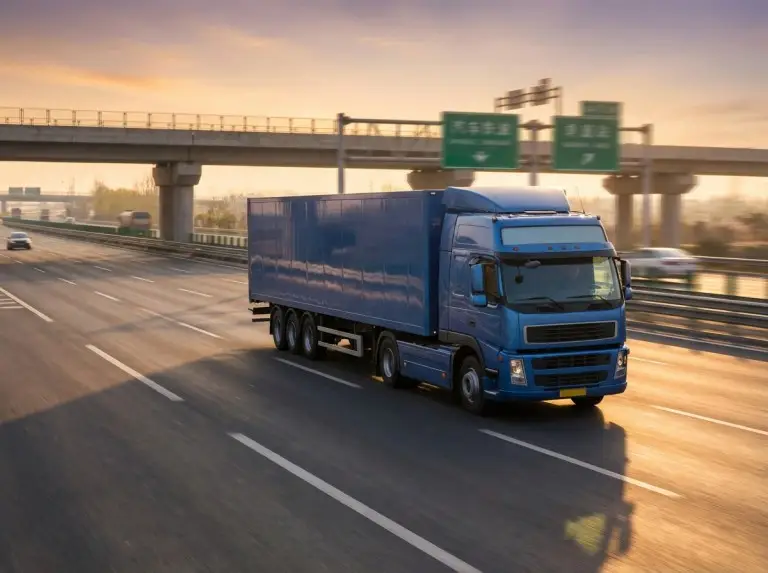
A typical U.S. tractor-trailer combination with a 53-foot dry van usually measures about 70 feet overall, commonly ranging from 68 to 75 feet depending on the tractor wheelbase, sleeper size, and fifth-wheel overlap. This range is necessary because overall length changes depending on tractor specifications, how much the units overlap at the fifth-wheel connection, and exactly where measurements start and end.
Tractor and Trailer Types
Despite common belief, a “53-foot trailer” does not equate to a “53-foot truck.” The 53-foot figure refers to the trailer only. Pairing it with a tractor, even after factoring in fifth-wheel overlap, makes the whole vehicle somewhat longer.For a quick reference on common measurements and real-world variation, learn more about 53′ truck trailer dimensions.
Two main tractor cab styles affect length. Day cabs are generally 18–22 feet long (most commonly about 20 feet). Sleeper tractors range more widely—from short sleepers around 20–24 feet to longer configurations of 25–28 feet (some extended models reach nearly 30 feet), depending on sleeper size (e.g., 56″, 72″, 78″) and wheelbase. We treat these as planning benchmarks since real-world lengths also depend on specific models.
Wheelbase plays a major role in how long a tractor “feels” when maneuvering. Longer wheelbases increase the turning path, which leads to more space needed at gates, docks, and tight corners.
Common Trailer Combinations and Limits
Most dry van trailers in use today are either 53 feet or 48 feet long. Determining which length best fits a specific route involves more than just considering highway driving—dock geometry and yard layout also matter. Furthermore, not all roads and terminals allow both sizes; state regulations may be different on local or non-highway routes. For this reason, we always verify what is permitted along the intended path before confirming any equipment.
Multi-Trailer, Intermodal, and Specialty Setups
Multi-trailer (doubles) setups present another scenario. Pup trailers commonly measure 28 to 28.5 feet (28’6″ is the federal STAA standard). When running two together as doubles, the combined trailer length is approximately 57 feet (before adding the tractor and converter dolly). To ensure proper planning, it’s critical to check whether your load employs a single trailer or doubles.
Intermodal container chassis can also shift expected lengths. Depending on the cargo container—whether it’s a 20-, 40-, or 45-foot unit—the rear overhang will change. This can have a significant effect on access and maneuvering.
Specialty trailers, such as extendable double-drops, break the normal patterns, sometimes extending up to 80 feet. Proper permit and turn planning is especially important in these cases.
Handling Considerations
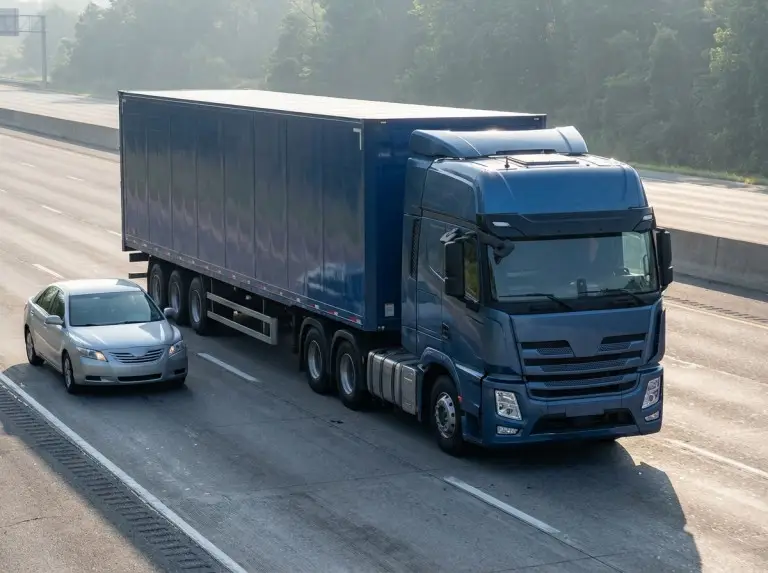
Beyond regulations, length directly impacts handling and maneuverability. Successfully navigating city deliveries, construction zones, or warehouse aprons means planners must account for off-tracking and tail swing. For example, longer trailers may swing their rears wider during turns, with the potential to contact curbs, signs, or parked vehicles.
Width and Height Standards
Standard and Nonstandard Widths
For almost all U.S. highway use, the standard trailer width is 8 feet 6 inches (102 inches). While this is now nearly universal, real-world clearance issues depend on what can physically touch obstacles. Mirrors, even though often excluded from the legal width tractor trailer measurements, can cause trouble on narrow roads. For that reason, we plan equipment moves based on actual, not just nominal, width—including safety devices.
Of course, older or specialized trailers sometimes fall outside this standard. When planning routes through cities with older infrastructure or unique needs, always confirm the equipment’s true width.

Height Planning and Clearance
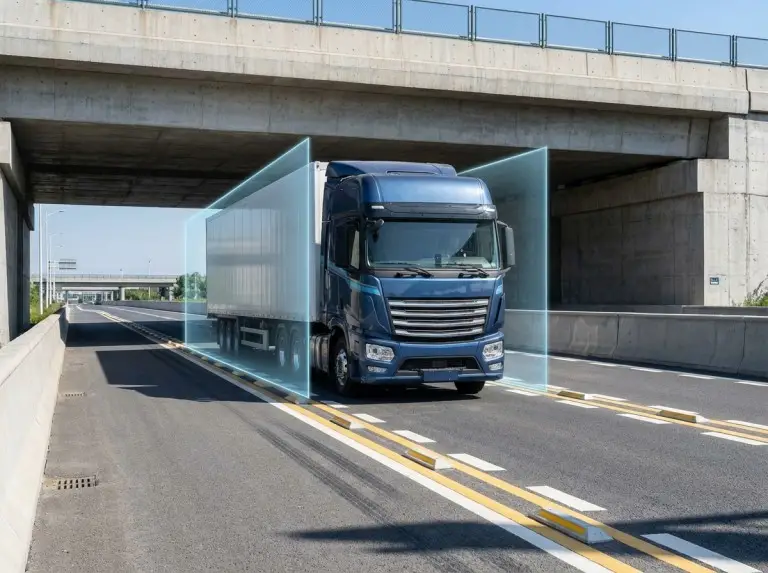
The typical unloaded or lightly loaded van trailer height is 13 feet 6 inches. Many people search “semi truck tall” when checking bridge clearance, but the only reliable number is the measured height of your loaded rig, including any rooftop devices.However, the actual loaded height—including cargo, rooftop fairings, refrigeration units, or aerodynamic devices—must always be measured, as it can exceed 13’6″. However, it is dangerous to assume every road allows for this height. Many rural and urban roads include lower clearances. As such, height planning should always involve checking not only the equipment, but also the loaded cargo, rooftop fairings, and refrigeration units.
Whenever clearance is close, leave extra margin. Detours can be rare near older bridges or in cities. To avoid nearly catastrophic “almost cleared” events, never rely solely on guidance systems meant for passenger cars. Instead, measure the loaded height on level ground and use truck-aware GPS routing. Additionally, verify the tractor’s roofline and any fairings to ensure the highest fixed point of the combined unit doesn’t exceed restrictions.
Key Height Planning Practices
To manage height confidently, confirm:
- The actual loaded height from specs or by direct measurement.
- The route class, including final approach streets.
- Any known low-clearance points near the destination.
- Your fleet’s margin policy for posted clearances.
Weight Terms for Compliance
Planning by weight begins with the gross combination weight, not just a dramatic “truck weight” number. In practice, confusion often grows when unladen weight, laden weight, and weight ratings are mixed up.
Definitions and Axle Planning
- Unladen weight: The rig without cargo.
- Laden weight: The total with cargo and fuel.
- GVW (Gross Vehicle Weight): What the rig currently weighs.
- GVWR (Gross Vehicle Weight Rating): The maximum the tractor or trailer is engineered to carry.
Either GVW or GVWR can be the limiting factor. For this reason, track both as you plan.
Axle group planning brings these weight issues into daily practice. Legal total weight does not guarantee compliance; improper distribution among the steer, drive, and trailer axles may lead to fines or safety issues. To avoid weigh-station surprises, always plan not just how much but where the weight sits.
Permits, Limits, and Distribution
It’s also crucial to know that a road’s legal maximum may be lower than what the equipment can technically handle. For example, certain bridges and local routes have restrictions that supersede design ratings. In most U.S. states, the highway weight benchmark is 80,000 pounds (gross) without special permitting. Nevertheless, always confirm axle group weights and pay attention to route-specific restrictions, since enforcement targets axle loads rather than simply the total.
Good weight distribution also prevents operational problems. Sliding axle groups and proper load placement make the truck both legal and safe—tools for compliance, not just technicalities. Equally, heavy trucks need more room to accelerate, slow down, and maintain stability, especially with top-heavy loads. That’s why we always treat weight, height, and load securement together for maximum safety.
Trailer Configurations
The Impact of Trailer Type
A trailer’s configuration is the fastest way to change an 18-wheeler’s headline dimensions. Understanding the distinctions is essential for accurate planning and dispatch.
Dry Vans and Reefers
The 53-foot dry van is the standard for general freight, providing the starting point for most length and width planning. However, while reefers look similar, insulation and refrigeration units can cut into usable interior space. As a result, a pallet plan designed for a dry van may not fit in a reefer.
Flatbeds, Drops, and Goosenecks
Flatbeds offer similar external lengths in many fleets, but the actual cargo and load footprint may extend dimensions in ways the deck alone does not indicate. In contrast, step-deck and double-drop trailers have lower decks, letting them carry taller freight while staying within on-road height limits. Thus, selecting deck height often depends on cargo needs rather than freight type alone.
Removable gooseneck (RGN) and lowboy trailers are often used for heavy or tall machinery. While some can look compact, they may still pose an oversize challenge once loaded. Verifying the full combined cargo-and-trailer envelope before dispatch helps avoid compliance and safety issues.
Doubling Up and Other Trailers
Pup trailers and doubles setups alter handling and access patterns even though individual trailers are shorter. Since backing and lane changes become more complex, confirming the exact trailer combination in advance is essential for driver preparation.
While tankers may be shorter than typical van trailers, the movement of liquid loads creates unique challenges. In these cases, operational ease is often determined more by load dynamics than headline length.
Permitting and Special Cases
A permit is required whenever the loaded cargo and equipment collectively exceed standard size or weight limits. Because permitting is based on the total profile—not just trailer family name—we verify overhang, width, height, and weight early in the planning phase.
Conclusion
At GENRON, we know that successful hauling starts with precise planning and reliable equipment. When it comes to 18-wheelers, clear measurements and careful validation of your equipment setup are crucial. Verifying loading heights, actual widths, and the exact tractor and trailer types during the planning phase is the only way to avoid costly clearance and access issues down the road. While weight planning is always important, documenting your measurements is even more critical for high-cube cargo or sites with tight turning radii.
Never leave things to chance, especially with non-standard configurations like double trailers, intermodal chassis, or extendable flatbeds. Be sure to validate your setup with our team at GENRON before you hit the road to ensure your configuration is road-ready.
FAQ
How long is an 18-wheeler with a 53-foot trailer?
A tractor with a 53-foot trailer is typically 70 to 72 feet long overall. We verify the exact total by confirming the tractor’s spec and accounting for the fifth-wheel overlap.
Why do some guides say 70 feet and others 72 feet?
Different sources use slightly different assumptions for the tractor and coupling. We prevent confusion by measuring the actual coupled unit from front to back.
What is the standard width of an 18-wheeler?
A standard trailer body is 8 feet 6 inches (102 inches) wide for highway use. We still verify the true travel width, as mirrors can extend farther and matter in tight spaces.
What is the typical height and how is it measured?
A typical height for many van combinations is about 13 feet 6 inches. We verify the real number by measuring from level ground to the highest point of the loaded rig.
How heavy can an 18-wheeler be?
Many highway operations use 80,000 pounds gross as a benchmark. We verify the limit by checking unladen vs. laden weight, equipment ratings, and route-based axle restrictions.
How long is a pup trailer and what changes with doubles?
Pup trailers are commonly in the 28-foot class. Two pups create a combined trailer length in the mid-50-foot range, plus the tractor. We plan for doubles early, as they change handling and access rules.